
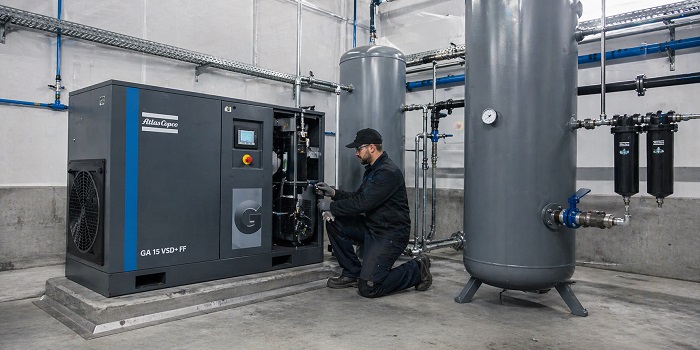
Air Compressor Installation Guide and Mistakes
Installing an air compressor system is not just about placing a machine in a room and connecting pipes. It is a critical engineering process that directly impacts energy efficiency, operational reliability, and long term costs.
A poorly installed system can increase energy consumption, reduce output, and lead to frequent breakdowns. On the other hand, a properly designed and installed system delivers consistent performance, lower operating costs, and longer equipment life.
This air compressor installation guide will walk you through the most common air compressor installation mistakes, explain how they affect performance, and show you how to design a highly efficient compressed air system.
Why Proper Installation Matters
Compressed air is one of the most expensive utilities in industrial environments. Installation mistakes can increase energy consumption by 20 to 30 percent or more.
Key impacts of poor installation:
- Higher energy costs
- Reduced air pressure and flow
- Increased wear and tear on equipment
- Frequent maintenance issues
- Production downtime
This is why compressed air system design must be approached strategically from the start.
Key Components of a Compressed Air System
Before diving into mistakes, it is important to understand the core components:
- Air compressor
- Air receiver tank
- Air dryer
- Filters
- Piping network
- Control systems
Each component must be correctly selected and installed to ensure overall system efficiency.
Common Air Compressor Installation Mistakes
1. Incorrect Compressor Sizing
One of the biggest mistakes in compressed air system design is choosing the wrong compressor size.
Oversized compressors:
- Waste energy due to frequent load and unload cycles
- Higher capital and operating costs
Undersized compressors:
- Cannot meet demand
- Cause pressure drops
- Lead to overheating and failure
Solution:
Conduct a proper demand analysis before selecting equipment. Consider peak demand, future expansion, and usage patterns.
2. Poor Location of the Compressor
The placement of the compressor has a direct impact on performance.
Common issues:
- Installing in hot or poorly ventilated rooms
- Exposure to dust and contaminants
- Limited access for maintenance
Impact:
- Reduced efficiency
- Increased operating temperature
- Higher energy consumption
Solution:
Install compressors in clean, well ventilated areas with sufficient airflow and space for maintenance.
3. Inadequate Ventilation
Air compressors generate significant heat. Without proper ventilation, this heat builds up and reduces efficiency.
Problems caused:
- Increased energy consumption
- Reduced equipment lifespan
- System overheating
Solution:
Ensure proper airflow and consider installing ventilation systems or ducting to remove hot air.
4. Improper Piping Design
Piping is a critical part of compressed air system design.
Common mistakes:
- Pipes that are too small
- Excessive bends and fittings
- Long, inefficient routing
Impact:
- Pressure drops
- Reduced airflow
- Increased energy use
Solution:
Use correctly sized pipes, minimise bends, and design a loop system where possible for consistent pressure.
5. Ignoring Air Leaks During Installation
Leaks often start at the installation stage due to poor connections.
Common leak sources:
- Loose fittings
- Poor sealing
- Low quality components
Impact:
- Continuous energy loss
- Increased compressor workload
Solution:
Use high quality fittings and test the system thoroughly before commissioning.
6. Lack of Proper Air Storage
Air receiver tanks play a vital role in system stability.
Without sufficient storage:
- Pressure fluctuations occur
- Compressors cycle more frequently
- Energy consumption increases
Solution:
Install appropriately sized air receivers based on system demand.
7. Incorrect Pressure Settings
Setting the system pressure too high is a common issue.
Impact:
- Increased energy consumption
- Higher wear on equipment
Fact:
Even a small increase in pressure can significantly raise energy costs.
Solution:
Set pressure to the minimum level required for operations.
8. Poor Filtration and Drying Setup
Air quality is often overlooked during installation.
Issues:
- Moisture in the system
- Contaminants damaging equipment
- Reduced product quality in certain industries
Solution:
Install proper dryers and filters based on application requirements.
9. Lack of System Controls and Automation
Modern compressed air systems require intelligent controls.
Without controls:
- Inefficient compressor operation
- Increased energy usage
Solution:
Use advanced control systems to optimise compressor performance and reduce waste.
10. No Future Expansion Planning
Many systems are designed only for current needs.
Problem:
- Additional equipment strains the system
- Requires costly upgrades later
Solution:
Design systems with scalability in mind.
Best Practices for Efficient Compressed Air System Design
To avoid these air compressor installation mistakes, follow these best practices:
Conduct a Detailed System Audit
Understand your air demand, usage patterns, and operational requirements before installation.
Optimise System Layout
Design a layout that minimises distance, pressure drops, and energy loss.
Use High Quality Components
Invest in reliable compressors, piping, and accessories to ensure long term performance.
Implement Preventative Maintenance Plans
Plan maintenance from day one to keep the system running efficiently.
Monitor System Performance
Use monitoring tools to track efficiency, detect issues early, and optimise performance.
The Cost Impact of Installation Mistakes
Installation errors can significantly increase operational costs over time.
Key cost drivers:
- Increased energy consumption
- Frequent maintenance and repairs
- Reduced equipment lifespan
- Production downtime
A well designed system may cost more upfront but delivers substantial savings in the long run.
When to Work with Experts
Compressed air systems are complex, and mistakes can be costly.
Working with experienced professionals ensures:
- Accurate system design
- Proper installation
- Compliance with standards
- Long term efficiency
A compressed air system is a long term investment. The way it is installed determines how efficiently it performs for years to come.
Avoiding common air compressor installation mistakes and focusing on proper compressed air system design can help businesses reduce energy costs, improve reliability, and maximise productivity.
If you want to get the most out of your system, installation is not an area to compromise.
Planning an Air Compressor Installation?
Avoid costly mistakes and get your system designed right from the start.
Contact our experts today for a professional installation consultation.
Frequently Asked Questions (FAQs)
- What is the most common air compressor installation mistake?
Incorrect sizing of the compressor is one of the most common mistakes, leading to inefficiency and higher costs. - Why is proper compressed air system design important?
It ensures efficient operation, reduces energy consumption, and prevents costly issues over time. - How does poor piping design affect performance?
It causes pressure drops, reduces airflow, and increases energy consumption. - Can installation mistakes increase energy costs?
Yes, poor installation can significantly increase energy usage and operational expenses. - What role does ventilation play in compressor efficiency?
Proper ventilation prevents overheating and improves system performance. - How do air leaks impact a system?
Leaks waste compressed air and increase the workload on the compressor. - Should I plan for future expansion during installation?
Yes, designing for future growth prevents costly upgrades later. - Is professional installation necessary?
Professional installation ensures optimal system performance and long term reliability.