
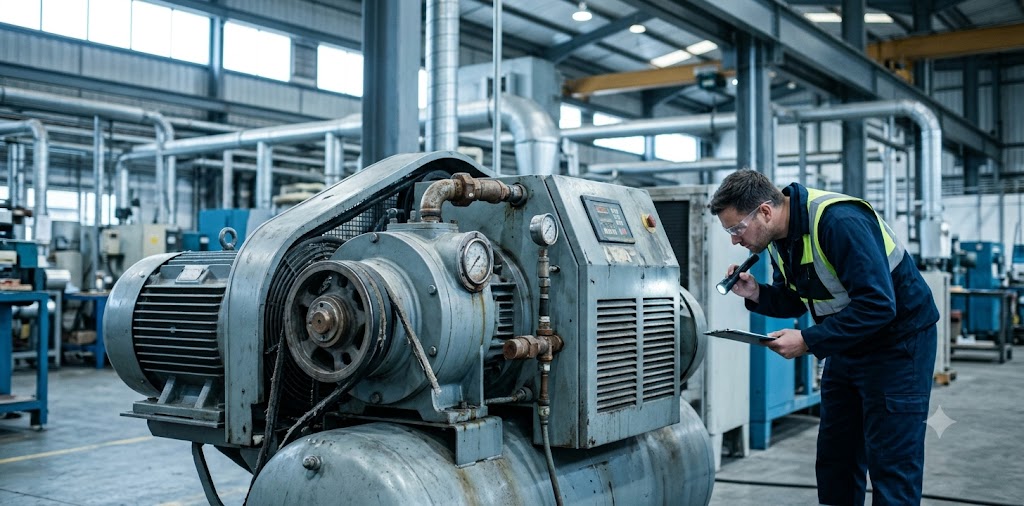
Deciding whether an ageing or underperforming compressor needs routine servicing, targeted repair, a major overhaul or complete replacement is not always straightforward. Capstone Engineering helps South African businesses investigate these options based on equipment condition and operational requirements. Recognising the warning signs that may justify an air compressor overhaul can help a facility investigate problems before they result in serious damage or unplanned downtime.
However, no single symptom proves that a compressor requires an overhaul. Pressure loss, overheating, rising energy use and air-quality problems may also originate elsewhere in the compressed-air system. Qualified technicians should inspect the compressor and connected equipment before recommending corrective work.
What Does an Air Compressor Overhaul Involve?
An overhaul is a planned process intended to assess and restore major compressor components that have deteriorated through wear, contamination, heat or extended operation.
Depending on the compressor type and inspection findings, air compressor overhauls and rebuilds may include:
- Isolating, depressurising and making the equipment safe
- Disassembling major compressor components
- Cleaning internal and external parts
- Measuring components against manufacturer tolerances
- Inspecting bearings, seals, valves and compression elements
- Replacing or refurbishing worn components
- Checking lubrication and cooling systems
- Reassembling the compressor
- Testing operating pressure, temperature, vibration and airflow
- Commissioning the machine under controlled conditions
The precise scope depends on the compressor model, mechanical condition, replacement-part availability and purpose of the overhaul. It should not be assumed that every machine can be returned to original factory performance.
Servicing, Repair, Overhaul and Replacement: What Is the Difference?
Routine servicing addresses scheduled maintenance items such as lubricant, filters, separators, belts and inspections. A targeted repair corrects a particular diagnosed fault, such as a leaking seal, defective valve or failed control component.
An overhaul is broader. It usually involves disassembly and assessment of major components, followed by refurbishment or replacement of worn parts. Replacement involves installing another compressor when rebuilding the existing unit is technically or commercially unsuitable.
The appropriate option should be determined through compressor fault diagnosis and a review of the complete system.
Seven Warning Signs an Air Compressor Overhaul May Be Needed
1. Declining Airflow or Difficulty Maintaining Pressure
Operators may notice that the compressor runs longer, pressure recovers slowly or equipment at the point of use does not receive sufficient airflow.
Possible causes include worn internal components, leaking valves, deteriorated seals, blocked intake filters, downstream restrictions, system leaks or increased production demand. An incorrectly adjusted pressure setting can create similar symptoms.
Low pressure should not be ignored because prolonged operation at unsuitable conditions can increase wear and disrupt production. Airflow and pressure measurements, leak testing and inspection are needed before deciding whether an overhaul is appropriate.
2. Rising Energy Consumption Without a Clear Production Increase
An unexpected increase in electricity consumption may appear alongside longer running times, increased unloaded operation or more frequent load-and-unload cycles.
Possible causes include internal wear, air leaks, blocked filters, fouled coolers, excessive pressure settings, poor compressor control or changes in the demand profile. A compressor may also be operating outside the duty for which it was originally selected.
Rising consumption can indicate declining compressor efficiency, but energy data alone cannot identify the cause. Operating hours, load status, system pressure, airflow and production demand should be compared. Capstone Engineering’s guidance on compressor energy efficiency and maintenance provides further context.
3. Excessive Heat or Repeated Overheating
Warning signs include high discharge temperatures, repeated temperature alarms, automatic shutdowns, discoloured lubricant or an unusually hot compressor room.
Potential causes include restricted cooling airflow, contaminated coolers, low or deteriorated lubricant, failed cooling fans, high ambient temperatures or internal mechanical problems. Poor ventilation around the compressor can also cause overheating without a major internal failure.
Excessive heat can accelerate lubricant deterioration and damage seals, bearings and other components. Temperature readings, lubricant condition, cooler performance and ventilation should be assessed before recommending an industrial compressor repair or overhaul.
4. Unusual Noise, Vibration or Mechanical Movement
New knocking, grinding, rattling or whining sounds may indicate that operating conditions have changed. Increased vibration or visible movement can also suggest a developing problem.
Possible causes include bearing wear, misalignment, loose mountings, damaged couplings, belt problems, internal contact or pipework transmitting vibration into the compressor. On rotary screw compressors, changes in sound or vibration may require specialist assessment of the drive and compression assembly.
Noise and vibration should not be diagnosed by sound alone. Vibration analysis, alignment checks, bearing assessment and comparison with manufacturer limits can help determine whether a repair or compressor rebuild is justified.
5. Increasing Oil Carryover, Leaks or Lubrication Problems
Operators may observe falling lubricant levels, oil around the compressor, excessive oil in downstream pipework or shortened separator life.
Possible causes include damaged seals, loose connections, unsuitable lubricant, excessive temperature, overfilling, separator problems, restricted return lines or worn internal components. Operating pressure and duty can also influence oil carryover.
Lubrication problems can contribute to accelerated wear and compressed-air contamination. Oil consumption records, leak inspection, separator condition and lubricant analysis, where applicable, can support diagnosis. Correct testing is necessary before selecting a targeted repair or overhaul.
6. Frequent Breakdowns and Escalating Repair Requirements
A compressor that experiences repeated shutdowns, fault alarms or component failures may no longer be providing dependable service.
Individual faults may be unrelated, but an increasing repair pattern can indicate broader deterioration. Causes may include ageing controls, worn internal components, electrical problems, poor cooling, inadequate maintenance or operation outside the machine’s intended duty cycle.
Repeated breakdowns increase downtime and maintenance demands. Service records should be reviewed to identify recurring faults and total repair requirements. Proper assessment is needed to determine whether continued repair, compressor rebuild services or replacement offers the most practical approach.
7. Deteriorating Air Quality or Contamination Problems
Visible oil, water, particles or unusual odours in the compressed air may indicate a problem requiring urgent investigation.
Potential causes include separator failure, excessive oil carryover, corroded pipework, ineffective drainage, dryer problems, damaged filters or contamination entering through the compressor intake. Air-quality deterioration can therefore originate from the compressor or downstream treatment equipment.
Contamination can damage pneumatic equipment and affect product quality. Air-quality testing, separator checks and inspection of dryers, filters, drains and receivers are required before attributing the problem to internal compressor wear.
What Causes Major Compressor Deterioration?
Major deterioration may result from a combination of factors rather than one isolated failure. These can include:
- Extended operation under demanding conditions
- Inadequate or delayed compressor maintenance
- Incorrect lubricant or contaminated oil
- Poor compressor-room ventilation
- Dust, moisture or corrosive conditions
- Frequent overheating
- Misalignment or excessive vibration
- Operating above the recommended pressure
- Inadequate air treatment
- Changes in production demand
- Incorrect compressor sizing
Following appropriate preventative maintenance guidance can help identify developing problems, although maintenance cannot eliminate every form of wear.
How Technicians Assess Whether an Overhaul Is Practical
A professional assessment may consider:
- Compressor type, model, age and operating hours
- Maintenance and breakdown history
- Required airflow, pressure and duty cycle
- Current production requirements
- Condition and availability of replacement components
- Temperature and vibration data
- Oil analysis where applicable
- Pressure, airflow and electrical measurements
- Condition of coolers, bearings, seals and controls
- Cost and scope of overhaul compared with alternatives
- Expected future service requirements
Technicians should also check the wider compressed-air system for leaks, restrictions, unsuitable settings and air-treatment faults. Equipment must be isolated, depressurised and made safe according to manufacturer instructions and applicable workplace procedures before inspection or repair. Dismantling should only be performed by trained personnel.
Air Compressor Overhaul vs Replacement
An overhaul may be practical when the compressor remains suitable for the required duty, major castings and assemblies are serviceable, and replacement components are available.
An air compressor replacement may be more appropriate when the existing machine is obsolete, severely damaged, incorrectly sized or unable to meet current production requirements. Replacement may also provide access to newer control, monitoring or air-treatment options.
A rebuilt compressor is not automatically more energy efficient than a correctly selected new compressor. The comparison should include purchase cost, overhaul scope, electricity use, maintenance requirements, expected reliability and the cost of operational disruption.
Comparing Service, Repair, Overhaul and Replacement
| Option | Typical purpose | Appropriate situation | Scope of work | Key considerations |
| Routine service | Maintain normal operation and address scheduled items | Compressor is operating within expected conditions | Lubricant, filters, separators, belts, drains and inspections as applicable | Manufacturer schedule, operating environment and service records |
| Targeted repair | Correct a diagnosed fault | A specific component or system has failed | Repair or replacement of the affected component, followed by testing | Confirm the root cause and check for related damage |
| Major overhaul | Restore serviceable major assemblies and address extensive wear | Compressor remains suitable for the duty but has significant internal deterioration | Disassembly, cleaning, measurement, refurbishment, replacement, reassembly and testing | Parts availability, mechanical condition, cost, downtime and expected service |
| Compressor replacement | Install equipment better suited to present and future requirements | Machine is obsolete, severely damaged, unsuitable or uneconomical to rebuild | Selection, installation, integration, commissioning and removal planning | Correct sizing, energy use, controls, air treatment and future demand |
Planning an Overhaul to Reduce Operational Disruption
An overhaul should be planned around production requirements and the availability of backup compressed air. Facilities may need a standby compressor, temporary equipment or a phased operating plan.
Planning should cover:
- Expected inspection and repair scope
- Availability and lead time of components
- Isolation and lifting requirements
- Backup air capacity
- Production shutdown windows
- Post-overhaul testing and commissioning
- Acceptance criteria and operating checks
- Follow-up servicing and monitoring
The actual duration cannot be established until the compressor model, condition, required parts and work scope are understood.
How Preventative Maintenance Supports the Rebuilt Compressor
After an overhaul, maintenance should follow the equipment manufacturer’s guidance and reflect the operating environment.
Scheduled industrial compressor servicing should include appropriate inspections, operating-data reviews and attention to the cooling, lubrication, filtration and drainage systems. Post-overhaul temperature, pressure and vibration readings can provide a useful baseline for future comparisons.
Maintenance should also address system leaks, ventilation, air treatment and pressure settings so the rebuilt compressor is not returned to conditions that contributed to earlier deterioration.
Why Professional Inspection and Diagnosis Matter
The same symptom can have several possible causes. Low pressure may result from compressor wear, but it may also be caused by leaks, blocked filters or increased demand. Overheating may originate inside the compressor or from poor room ventilation.
A complete compressed-air system assessment helps distinguish equipment faults from wider system problems. This allows qualified technicians to recommend routine service, targeted repair, overhaul or replacement based on evidence rather than one warning sign.
Make an Informed Air Compressor Overhaul Decision
An air compressor overhaul may extend the useful service of suitable industrial equipment, but it is not the correct solution for every ageing or unreliable machine. The decision depends on the compressor’s type, age, operating hours, mechanical condition, service history, current duty and future production requirements.
Arrange a Professional Compressor Assessment
If your compressor is struggling to maintain pressure, overheating, consuming more energy or experiencing repeated breakdowns, contact Capstone Engineering.
The team can inspect the equipment, review operating data and maintenance history, identify likely causes and compare repair, overhaul and replacement options. Capstone Engineering can also assist with planning compressor rebuild services, reducing operational disruption and establishing an appropriate post-overhaul maintenance plan.
Frequently Asked Questions
1. What is included in an industrial air compressor overhaul?
An overhaul may include safe isolation, disassembly, cleaning, measurement and inspection of major components, followed by refurbishment or replacement of worn parts. The compressor is then reassembled, tested and commissioned. The exact scope depends on the model and inspection findings.
2. How do I know whether my compressor needs an overhaul or routine repair?
A qualified technician should review the symptoms, operating data, maintenance history and mechanical condition. A specific fault may require only targeted repair, while widespread wear or repeated failures may justify an overhaul.
3. How often should an industrial air compressor be overhauled?
There is no universal overhaul interval. Requirements vary according to compressor type, model, operating hours, duty cycle, environment, maintenance history and manufacturer guidance. Condition and operating data should support the decision.
4. Is it better to overhaul or replace an old air compressor?
It depends on the compressor’s condition, suitability, parts availability and expected future duty. Replacement may be more practical if the machine is obsolete, severely damaged, incorrectly sized or unable to meet current requirements.
5. How long does an air compressor overhaul take?
The duration depends on the compressor model, mechanical condition, inspection findings, availability of components and scope of work. A realistic schedule can only be prepared after the equipment has been assessed.